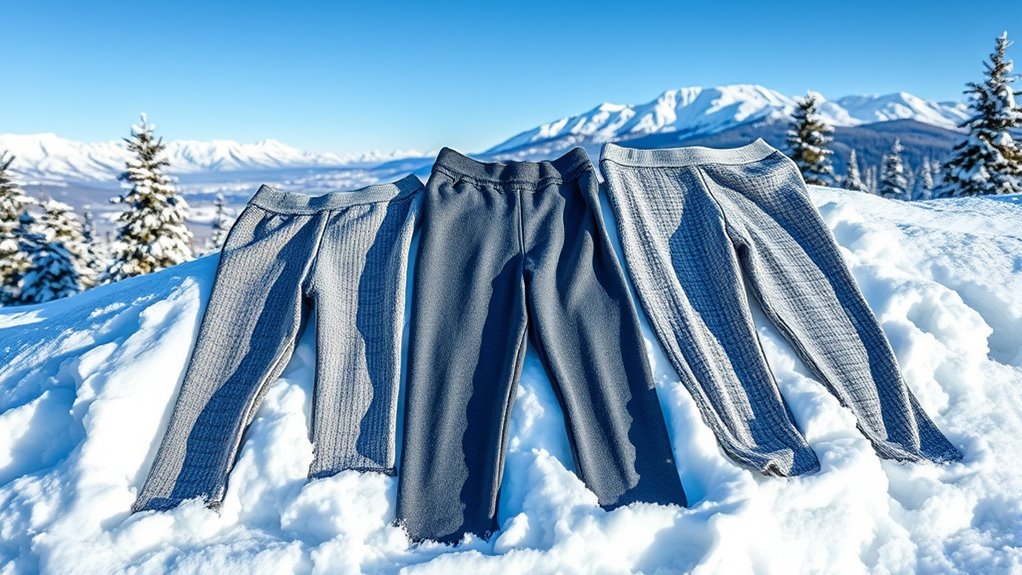

For staying warm on the slopes in 2025, I recommend the Cuddl Duds Fleece Lined Thermal Set, Simiya’s lightweight fleece-lined option, and NOOYME’s durable Long Johns. These choices combine high-quality moisture-wicking fabrics, snug yet flexible fits, and weather-resistant features to keep you dry, warm, and comfortable. If you want to explore which set best suits your needs and learn tip to stay warm, keep going.
Key Takeaways
- Look for thermal underwear made from high-quality, moisture-wicking fabrics like fleece, wool, or specialized synthetics for optimal warmth and dryness.
- Choose fits that are snug yet comfortable, with stretchability and seamless design to support layering and unrestricted movement.
- Prioritize breathable, ventilated materials with mesh zones and weather-resistant features to prevent overheating and protect against snow and wind.
- Select durable, high-performance fabrics with reinforced seams and stretch support for longevity and flexibility during vigorous skiing.
- Consider additional features like UV protection, thumbholes, and lightweight insulation for versatile comfort in varying mountain conditions.
Cuddl Duds Women’s Fleece Lined Thermal Base Layer Set
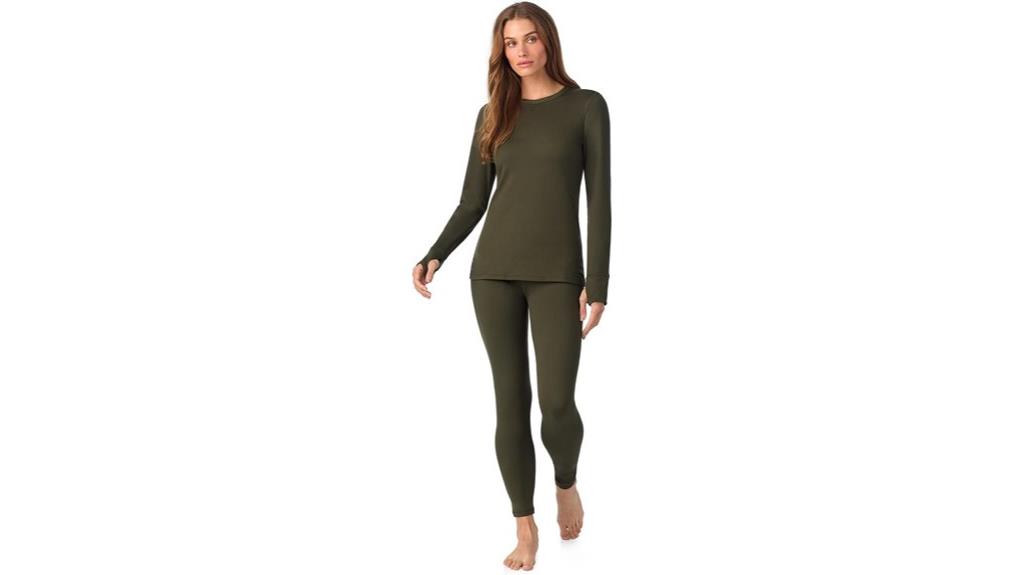
If you’re looking for reliable thermal underwear to keep you warm on the slopes, the Cuddl Duds Women’s Fleece Lined Thermal Base Layer Set is an excellent choice. It includes a long-sleeve shirt and leggings designed for cold weather, made from 93% polyester and 7% spandex. The heavyweight fleece inside provides cozy insulation, while the moisture-wicking fabric keeps sweat away. The set features thumbholes for extra coverage and mobility-friendly stretch. Its sleek design can be worn as a base layer or on its own. With easy machine washing and UV protection, this set combines comfort, function, and style for winter adventures.
Best For: outdoor enthusiasts and winter athletes seeking reliable, warm thermal base layers for skiing, snowboarding, or cold-weather activities.
Pros:
- Warm heavyweight fleece insulates effectively in cold weather
- Moisture-wicking fabric keeps sweat away for dryness and comfort
- Thumbholes and stretchy spandex provide enhanced mobility and full coverage
Cons:
- Limited color or style options may not suit all preferences
- Heavier fleece might feel bulky for some users under tight clothing
- Care instructions recommend machine washing, which may cause pilling over time
SIMIYA Thermal Underwear Set for Women
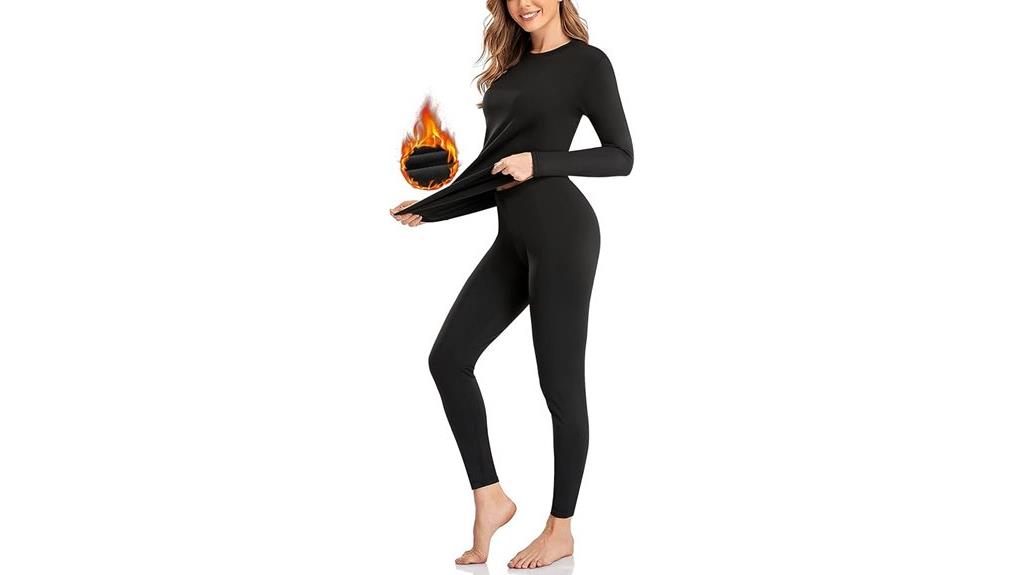
The SIMIYA Thermal Underwear Set for Women is an excellent choice for outdoor enthusiasts who need reliable warmth and flexibility during winter activities. Crafted from 95% polyester and 5% elastane, it offers durability, stretch, and a second-skin fit that moves with you. The fleece-lined interior provides excellent insulation by trapping air and retaining heat, even during active pursuits like skiing. Its lightweight design feels soft and breathable, while the 4-way stretch prevents bunching and enhances mobility. With a chemical-free dyeing process and easy maintenance, this set is perfect for staying warm, comfortable, and active on the slopes all winter long.
Best For: outdoor enthusiasts and active women seeking warm, flexible, and comfortable thermal wear for winter sports and outdoor activities.
Pros:
- Durable and stretchable fabric made of 95% polyester and 5% elastane for long-lasting wear and mobility.
- Fleece-lined interior provides excellent insulation while maintaining a lightweight, second-skin feel.
- Easy to care for with machine washable design and color fastness that preserves vibrancy after washing.
Cons:
- As an imported product, it may have limited local availability or higher shipping costs.
- The set may be too fitted for those preferring looser or more relaxed thermal wear.
- Chemical-free dyeing, while beneficial, might result in less intense color options compared to dyed synthetic fabrics.
NOOYME Thermal Underwear Base Layer for Women, Long Johns for Cold Weather
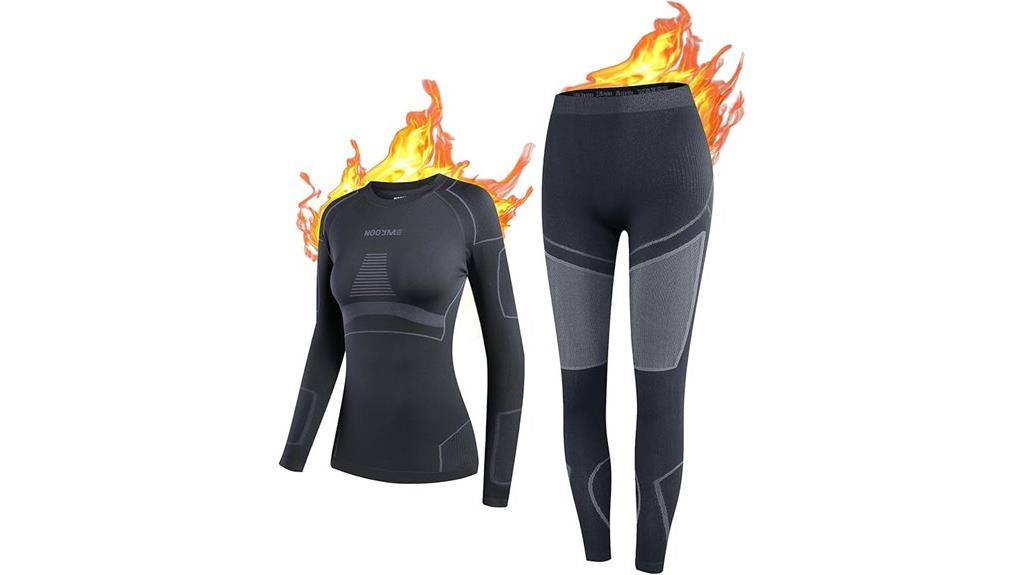
Designed specifically for women who demand warmth and flexibility during winter sports, NOOYME Thermal Underwear Base Layer offers exceptional insulation with its ultrasoft lining and 4-way stretch fabric. I love how it keeps me warm and dry during intense activities like skiing and hiking, thanks to its moisture-wicking, quick-drying material. The fabric’s high elasticity allows full freedom of movement without restriction, and the professional seaming reduces heat loss. Made from durable, machine-washable materials, it’s easy to care for and built to last. Whether layered under ski gear or worn for winter walks, this long johns deliver comfort and performance in cold weather.
Best For: women engaging in outdoor winter sports or activities who need warm, flexible, and moisture-wicking thermal base layers.
Pros:
- Provides superior warmth with ultrasoft lining and professional seaming to reduce heat loss
- Made with high-elasticity 4-way stretch fabric for maximum flexibility and freedom of movement
- Moisture-wicking and quick-drying to keep skin dry and comfortable during intense activities
Cons:
- May require sizing adjustment; order a larger size for a looser fit
- Fabric may feel snug for those preferring a very loose fit
- Designed primarily for winter sports, so less suitable for milder cold weather conditions
Factors to Consider When Choosing Thermal Underwear for Skiing
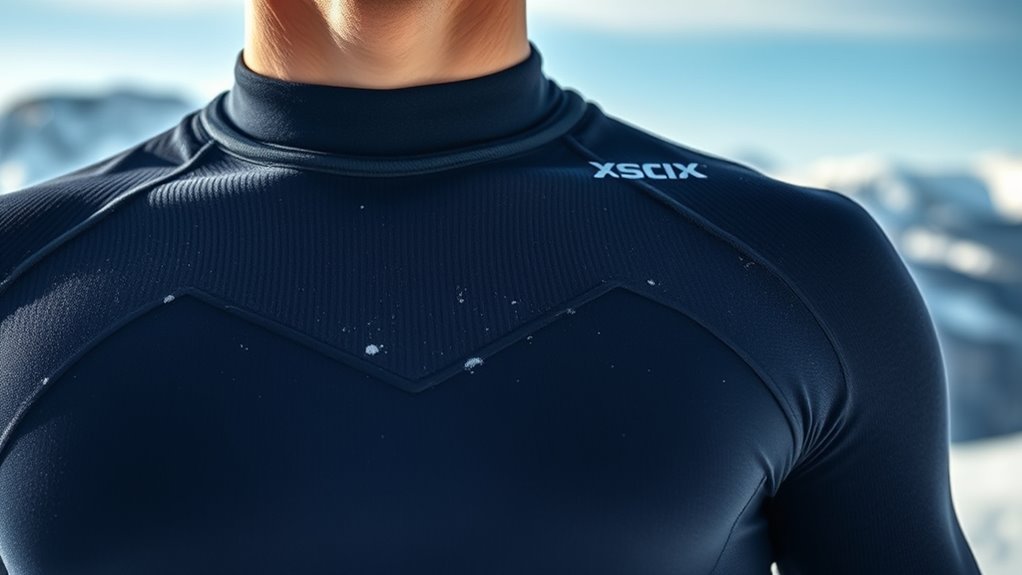
When choosing thermal underwear for skiing, I focus on material quality and warmth to keep me comfortable in cold conditions. I also pay attention to moisture-wicking and breathability to stay dry and avoid overheating. Finally, I consider fit, layering options, and ventilation to ensure maximum comfort and mobility on the slopes.
Material Quality and Warmth
Choosing thermal underwear with high-quality materials is essential for staying warm on the slopes. I look for fabrics made from insulating materials like fleece, wool, or specialized synthetics that maximize heat retention. A dense knit structure is crucial because it improves insulation, reducing heat loss as I ski. I also prioritize materials with moisture-wicking properties to keep my skin dry, which is vital for maintaining warmth and avoiding chills. The inclusion of spandex or elastane helps the underwear stretch comfortably and fit snugly, trapping heat effectively. Additionally, I favor certified or natural fabrics free from static or static-inducing dyes, as they enhance comfort and overall thermal efficiency. High-quality materials make all the difference in staying warm and comfortable during a full day on the slopes.
Moisture-Wicking Capabilities
High-quality materials boost warmth, but if the fabric can’t handle moisture, staying comfortable and dry becomes a challenge. That’s where moisture-wicking capabilities come in. Good thermal underwear pulls sweat away from your skin, helping you stay dry during intense activity. Fabrics like polyester, nylon, or specialized blends are designed for quick evaporation, preventing sweat buildup. This moisture management not only keeps you comfortable but also reduces chafing and skin irritation caused by prolonged dampness. More importantly, effective wicking helps maintain a stable body temperature, lowering the risk of hypothermia. When choosing thermal underwear, prioritize fabrics with proven moisture-wicking properties to ensure you stay dry, comfortable, and warm throughout your ski day. Proper moisture control can make all the difference on the slopes.
Fit and Comfort Level
A proper fit is essential for thermal underwear to effectively insulate and support your movements on the slopes. It should fit snugly without being too tight, so it traps heat while allowing unrestricted motion. Comfort is key—if it’s too tight, it can cause chafing or pressure points, leading to discomfort during skiing. The fabric needs to stretch and conform to your body, giving a second-skin feel that prevents bunching or shifting. Pay attention to the rise and length to ensure full coverage, especially in areas prone to exposure or movement. The goal is to find a balance: enough insulation to keep you warm and enough mobility to ski freely. An ideal fit enhances overall comfort and performance, making your time on the slopes more enjoyable.
Breathability and Ventilation
Since staying dry and comfortable is crucial during skiing, breathability and ventilation become essential factors when selecting thermal underwear. Good breathability prevents moisture buildup by letting sweat vapor escape, keeping your skin dry during intense activity. Features like mesh panels or moisture-wicking fabrics improve airflow and help reduce overheating on the slopes. High-quality thermal underwear balances insulation with ventilation, maintaining a comfortable body temperature without causing chills. Fabrics with moisture-wicking properties draw sweat away from your skin, preventing dampness that can lead to cold. Ventilation zones or strategically placed mesh inserts further enhance air circulation, especially during high-exertion moments. Prioritizing breathability and ventilation ensures you stay dry, comfortable, and focused on enjoying your ski day.
Layering Compatibility
Choosing thermal underwear that layers smoothly under ski gear requires careful attention to fit and fabric. I look for slim-fitting options that won’t add bulk, making it easier to move comfortably. Moisture-wicking fabrics like polyester or spandex are essential—they keep me dry and prevent chafing during active layering. Flatlock seams or tagless labels are a must, reducing irritation when I wear multiple layers. I also prioritize stretchability so the base layer moves with me and fits seamlessly with mid and outer layers. Compatibility is key; I choose thermal underwear that balances insulation with breathability to work well with additional layers. This ensures I stay warm, dry, and comfortable on the slopes without feeling restricted or overheated.
Durability and Wear Resistance
When selecting thermal underwear for skiing, durability and wear resistance become top priorities to guarantee your gear lasts through harsh conditions and frequent washes. High-quality fabrics like nylon and spandex provide increased resilience, standing up to friction and stretching. Double-stitched seams and reinforced areas at the knees and seat further enhance longevity, preventing tears and wear. Fabrics with anti-pilling finishes keep surfaces smooth and extend the lifespan by resisting fabric balls. Moisture-wicking and quick-drying materials help reduce fabric degradation caused by prolonged exposure to moisture, maintaining performance over time. Choosing thermal underwear with resilient fibers ensures your gear remains effective, even after repeated washing and vigorous activity on the slopes, making them a reliable investment for your ski trips.
Flexibility and Mobility
Flexibility and mobility are crucial factors to contemplate when selecting thermal underwear for skiing, as they directly impact your comfort and performance on the slopes. I look for materials with 4-way stretch fabric, which allows for both horizontal and vertical movement, essential for dynamic skiing. Fabrics like spandex or elastane support a snug fit while maintaining freedom of motion during turns and jumps. Properly fitted thermal underwear prevents bunching and chafing, offering comfort and unrestricted movement. Lightweight, second-skin designs reduce bulk, making it easier to layer under ski gear and stay agile. Seamless or flatlock stitched layers further minimize irritation and enable smooth, natural movements. Prioritizing flexibility ensures I stay comfortable and responsive, no matter how intense the downhill action gets.
UV and Weather Protection
Since UV rays and harsh weather conditions can substantially impact your skiing experience, it’s vital to select thermal underwear that offers effective protection. Look for fabrics with UPF 50+ to block over 98% of harmful UV rays, reducing the risk of sunburn during extended hours on sunny slopes. Weather-resistant options with water-repellent coatings and windproof layers provide essential protection against snow, wind chill, and moisture. Moisture-wicking fabrics are equally important, as they keep your skin dry, boosting thermal efficiency and preventing cold-related skin issues. Combining thermal underwear with UV and weather protection features ensures you stay warm, dry, and comfortable, even in challenging winter conditions. Prioritizing these factors helps you enjoy your ski day without discomfort or health risks.
Frequently Asked Questions
How Do I Properly Care for and Wash Thermal Underwear?
To properly care for and wash your thermal underwear, I recommend always checking the label first. I usually wash mine in cold water with a gentle detergent and avoid fabric softeners, which can reduce their insulating properties. I hang them to dry instead of using a dryer, as high heat can damage the fabric. Regular care keeps my thermal underwear effective, comfortable, and long-lasting on the slopes.
Can Thermal Underwear Be Worn Alone or Only as a Base Layer?
You can definitely wear thermal underwear alone, especially in milder weather or indoors, but it’s usually best as a base layer for skiing or cold conditions. I prefer layering because thermal underwear keeps me warm without bulk, and I can add or remove layers as needed. Just make sure it fits snugly but comfortably, so it traps heat without restricting movement.
Are There Specific Thermal Fabrics Best Suited for Extreme Cold?
Did you know that merino wool thermals retain warmth even when wet? For extreme cold, I recommend fabrics like merino wool or synthetic blends like polyester and nylon. These materials offer superior insulation and moisture-wicking properties, essential for freezing conditions. I always look for thermal underwear with these fabrics because they keep me warm and dry, ensuring I stay comfortable and safe on the coldest slopes.
How Does Moisture-Wicking Impact Thermal Underwear Performance?
Moisture-wicking considerably boosts thermal underwear performance by pulling sweat away from my skin, keeping me dry and comfortable even during intense activity. When my base layer manages moisture well, I stay warmer because dampness can cause chills and reduce insulation. I always look for fabrics with moisture-wicking properties, like merino wool or synthetic blends, to guarantee I stay dry, comfortable, and warm on the slopes.
What Are the Signs That Thermal Underwear Needs Replacing?
If my thermal underwear starts to feel less snug or loses its moisture-wicking ability, I know it’s time to replace it. Also, if I notice persistent odors, fraying seams, or thinning fabric, I understand it’s no longer effective. When my underwear no longer keeps me warm or feels uncomfortable, I realize it’s time for new ones. Regularly inspecting these signs helps me stay warm and comfortable on the slopes.
Conclusion
Just like a sturdy ship needs a solid hull, your comfort on the slopes depends on choosing the right thermal underwear. These top picks for 2025 will keep you warm and confident, no matter how fierce the mountain winds. Remember, as the snow whispers its secrets, the right layers are your armor—allowing you to embrace the adventure fully. Stay prepared, stay warm, and let the mountain’s challenge be your triumph.